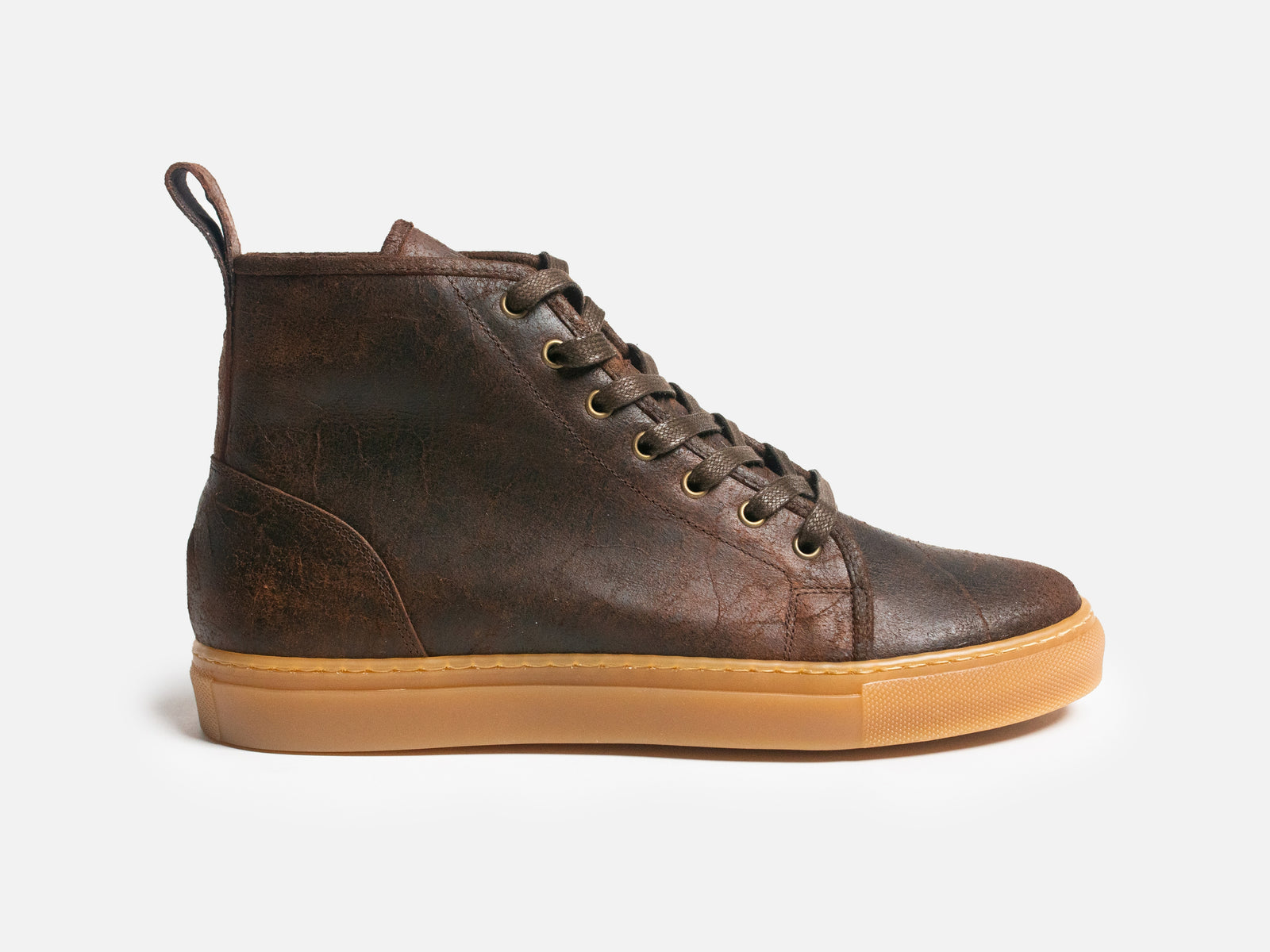
Sneakers Made in UK: The Complete Guide to British Craft Sneakers

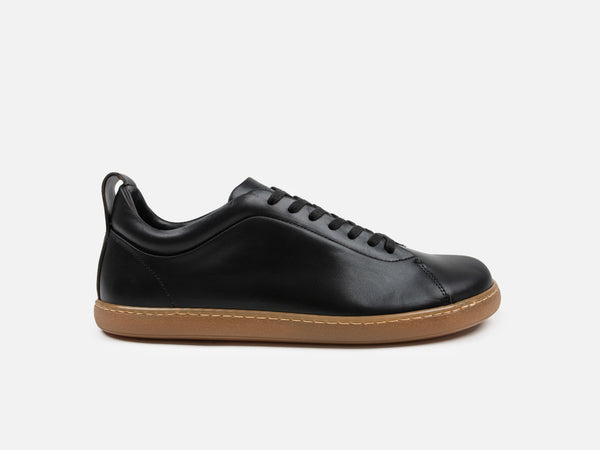
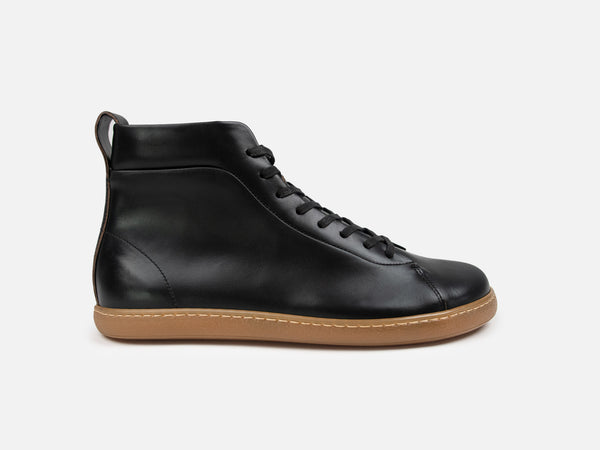
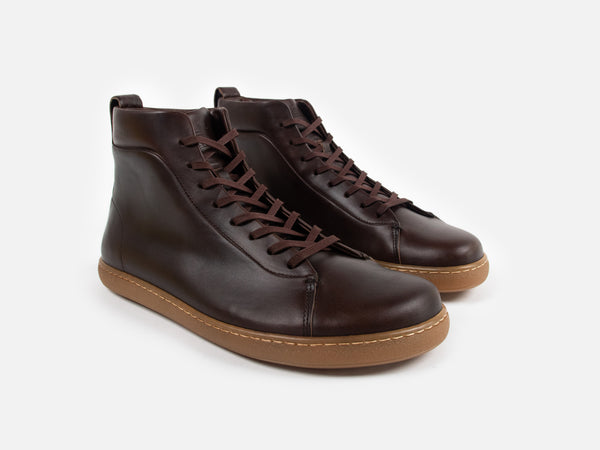
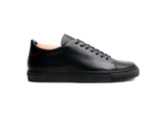
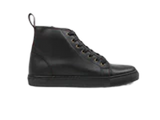
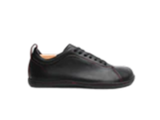
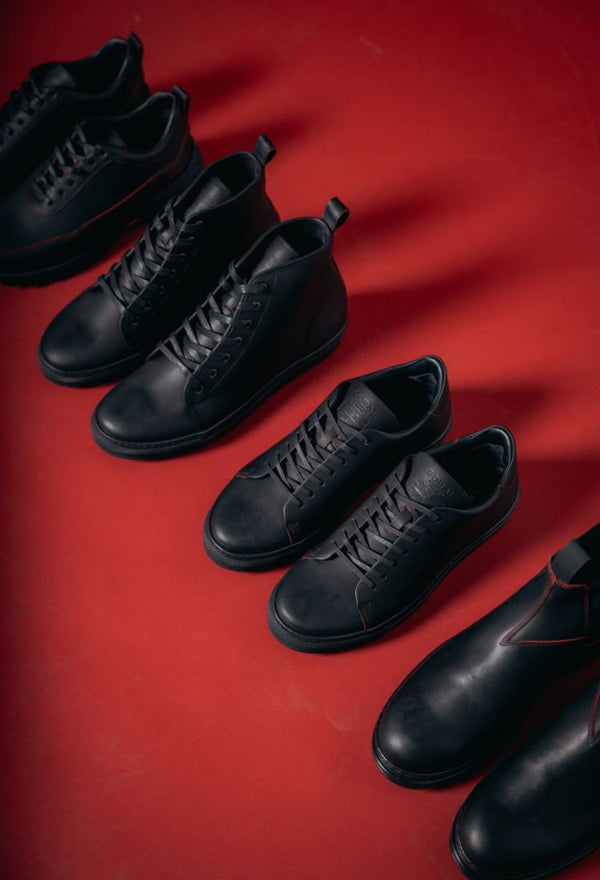
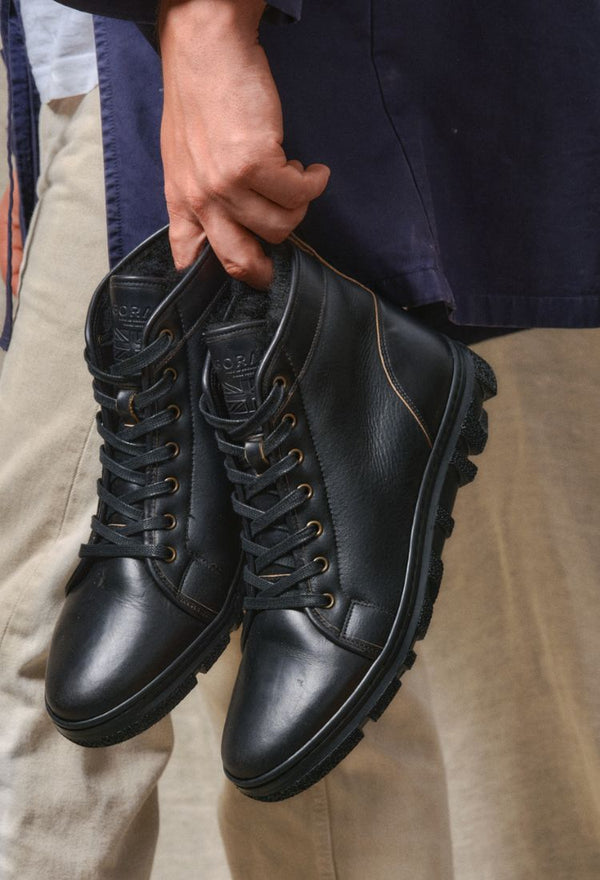
For decades, sneaker production moved overseas in pursuit of lower costs and faster output, in the process, something fundamental changed. Construction became simpler, materials became synthetic and footwear that was once made to last gradually became something disposable, worn for a season, then replaced. At GORAL we’ve chosen a different path, we make our sneakers in England, not as a final assembly step, but as a commitment to doing things properly. Every pair is built in small batches using traditional shoemaking methods, the same principles historically used in boots and dress shoes, adapted for everyday wear. That means leather cut by hand, uppers stitched rather than glued and construction that allows the shoe to be repaired and resoled over time. It’s a slower way of working and it’s undeniably more expensive but it allows us to focus on what actually matters, that’s quality, durability, and transparency.
What “Made in England” should mean
The phrase gets used loosely but for us, it means the shoes are genuinely made here, not imported and finished, not partially assembled elsewhere. The core processes that define the product happen in England, under the control of skilled makers who understand the craft. That level of oversight matters, it ensures consistency. It allows for smaller production runs and it keeps the focus on making a better product, rather than simply making more of it. It also means we can stand behind what we produce.
A different approach to sneaker construction
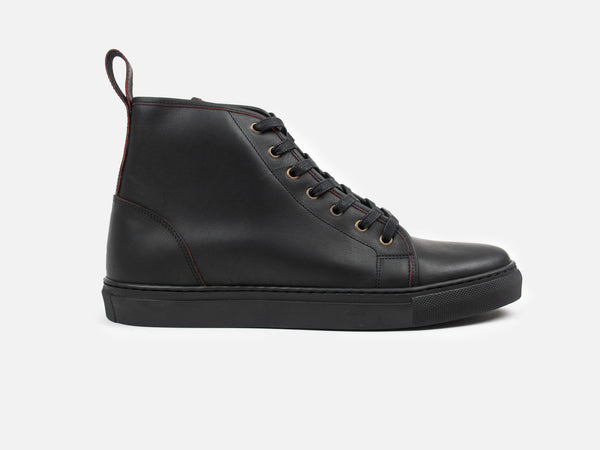
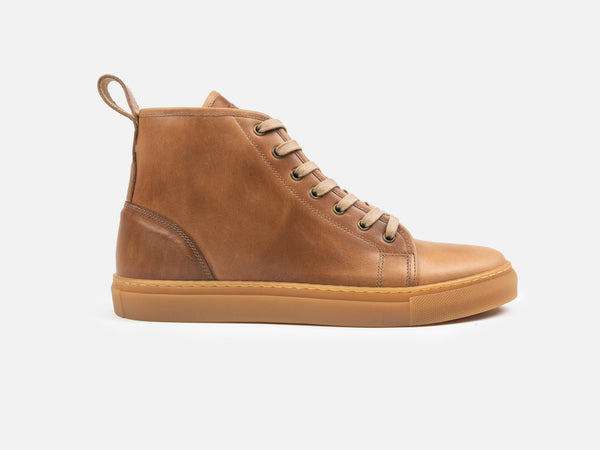
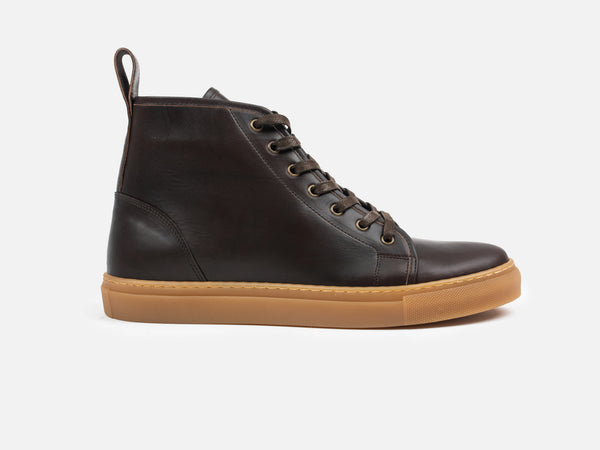
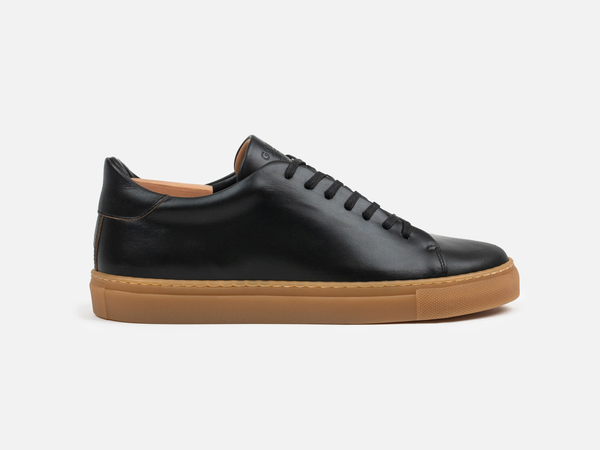
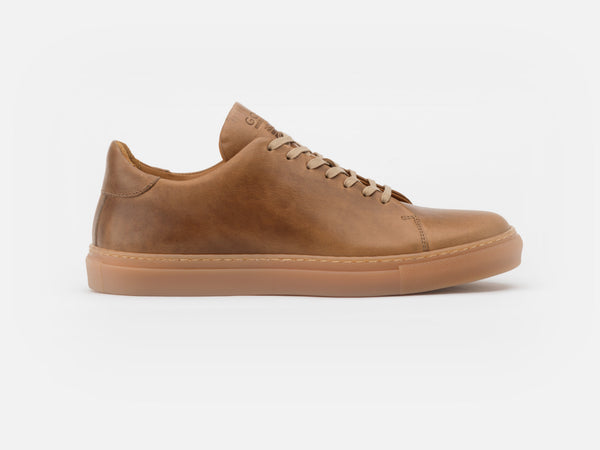
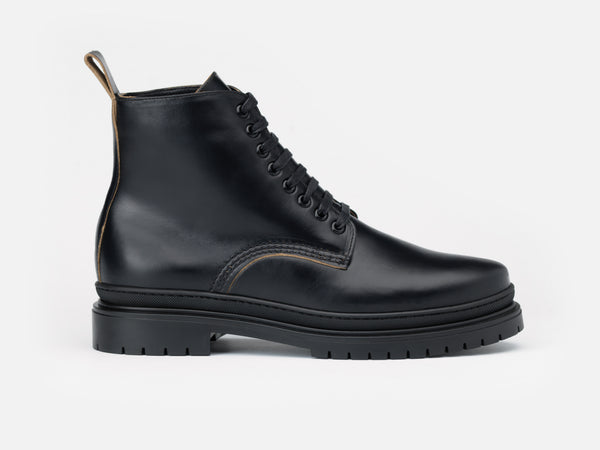
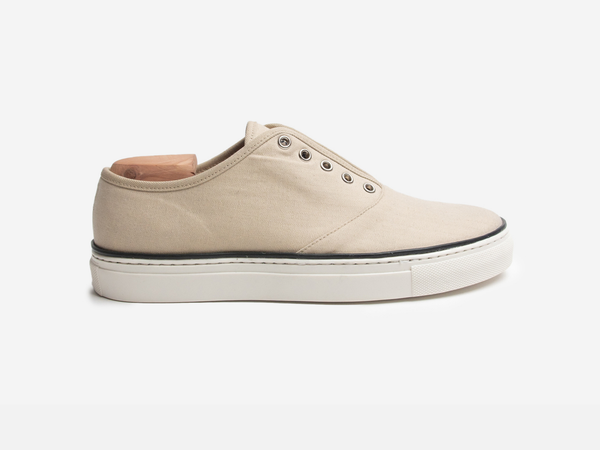
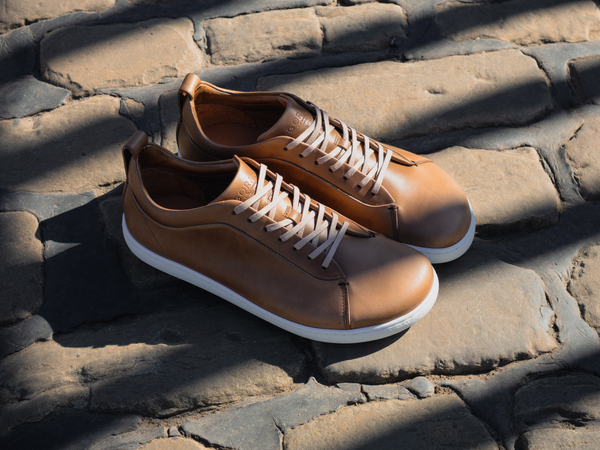
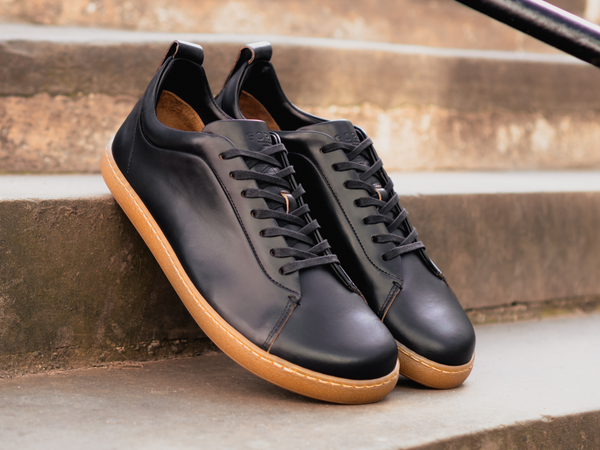
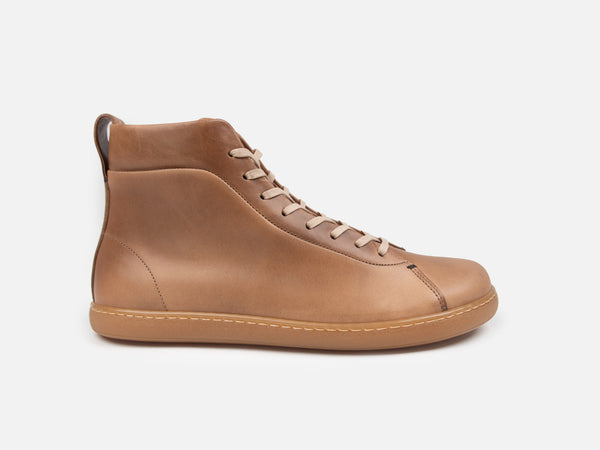
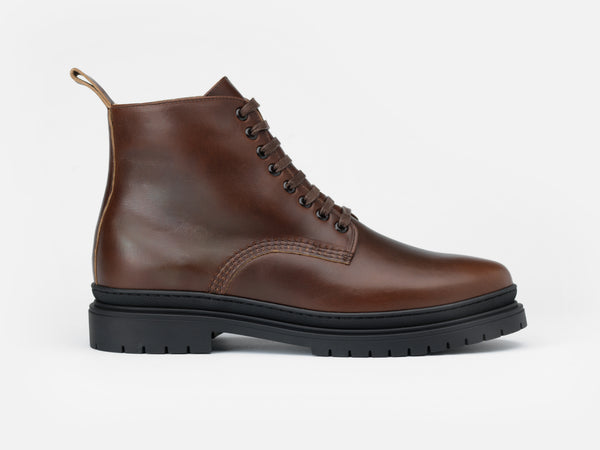
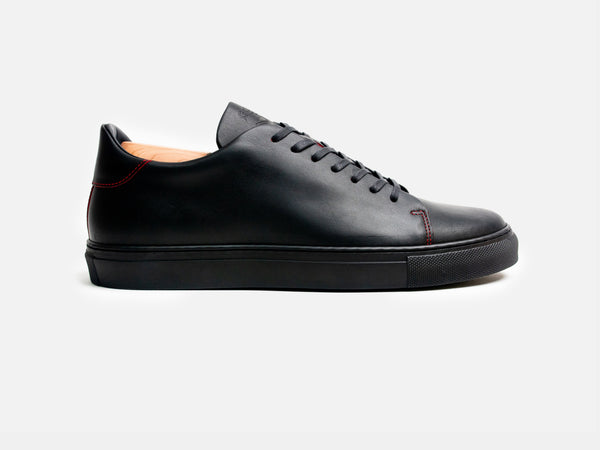
Most modern trainers are built for efficiency using low-grade materials, foam heavy soles, and glued construction make them quick to produce, but difficult, if not impossible, to repair. At GORAL we take a different approach. Our sneakers are built using stitched construction methods where possible, rather than relying solely on adhesives. Techniques such as Blake stitch in addition to a sidewall stitch mean the upper and sole are physically connected in a way that can be worked on again in the future. In practical terms, that means when the sole wears down, the shoe doesn’t have to be thrown away, it can be resoled and worn again. It’s a small shift in how something is made, but it completely changes how long it can be owned.
Materials that improve with time
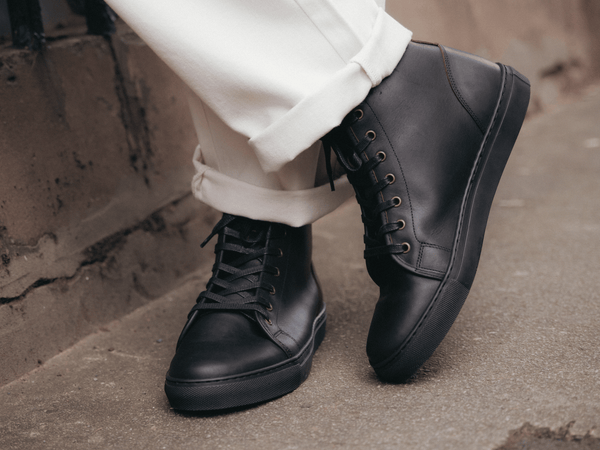
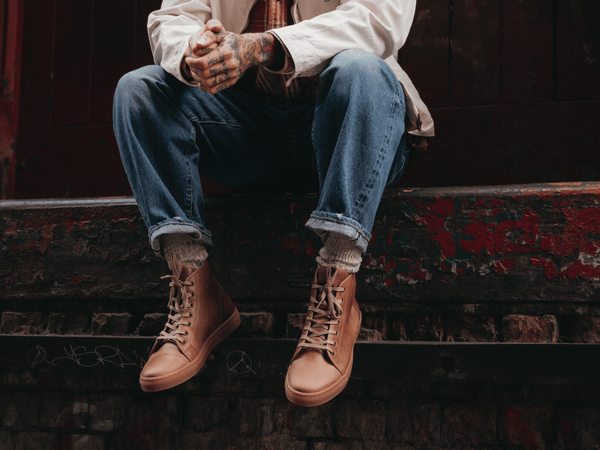
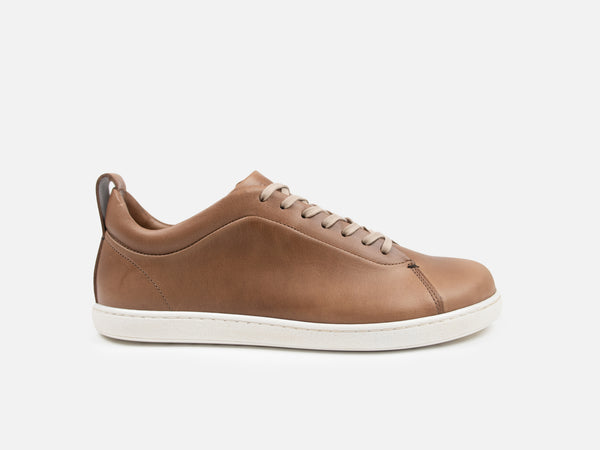
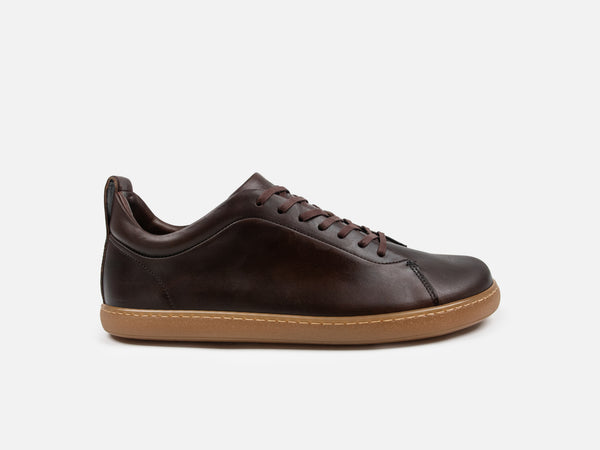
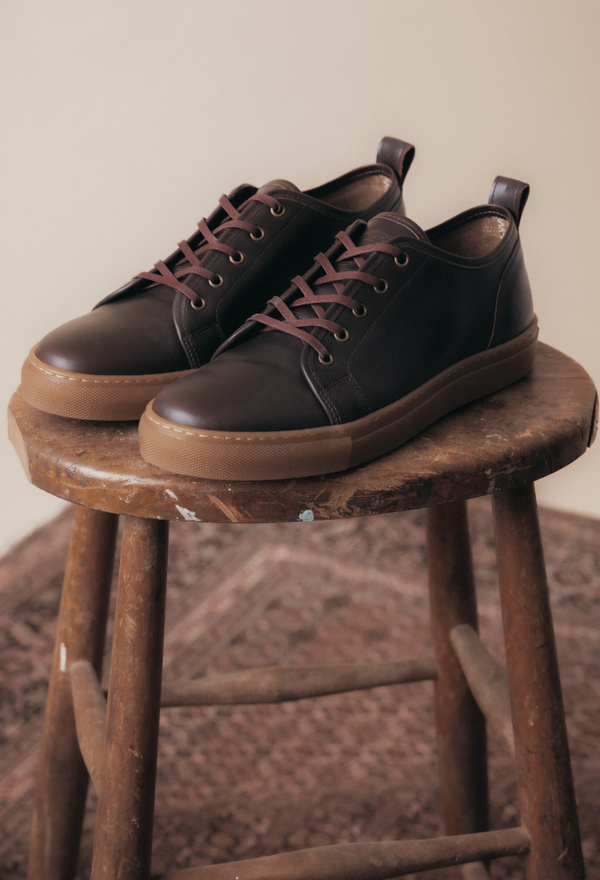
The materials used in most mass-produced sneakers are designed to look good on day one. After that, they tend to degrade, creasing poorly, cracking, or losing structure. We use full-grain leathers from some of the world’s best tanneries that are chosen not just for how they look initially, but for how they behave over time. They develop patina and take shape of the person wearing them. That’s an important distinction, because it changes the relationship between the product and the wearer - the longer you own them, the better they become.
Why small-batch production matters
Scale has defined the modern footwear industry. Large production runs reduce costs, but they also encourage overproduction. Styles are made in high volumes, trends move quickly, and unsold stock becomes part of a wider cycle of waste. We work in smaller batches which allows us to be more deliberate, to focus on the details, to maintain quality, and to avoid producing more than we need. It also means each run is more considered, rather than reactive to short-term trends. It’s not the fastest way to operate, but it’s a more responsible one.
The return of British shoemaking values
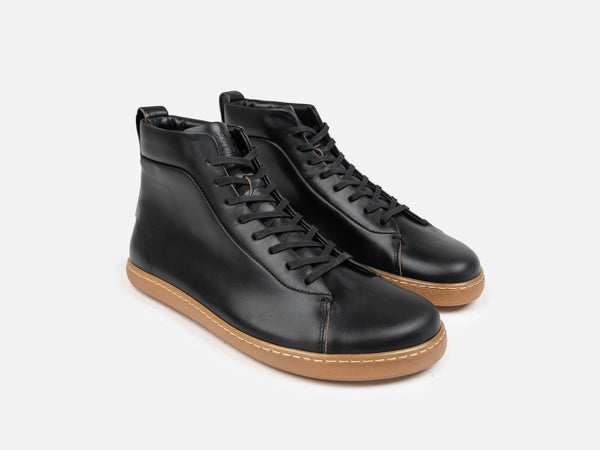
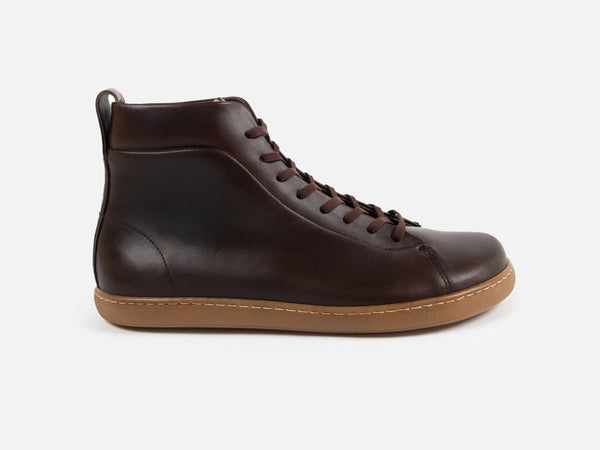
British shoemaking has a long history rooted in durability and craft. While much of the industry shifted towards overseas production from the mid-20th century onwards, those original principles still hold value.
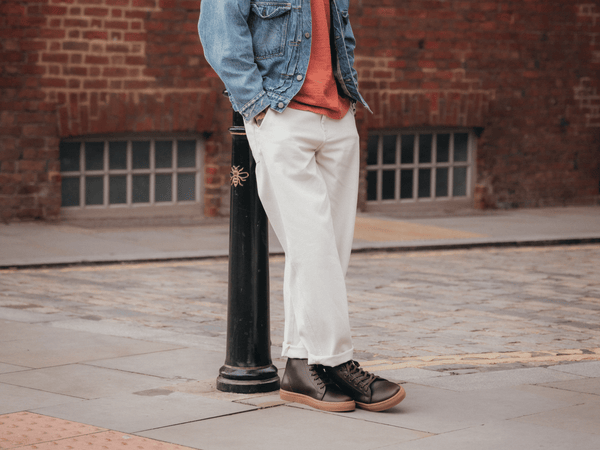
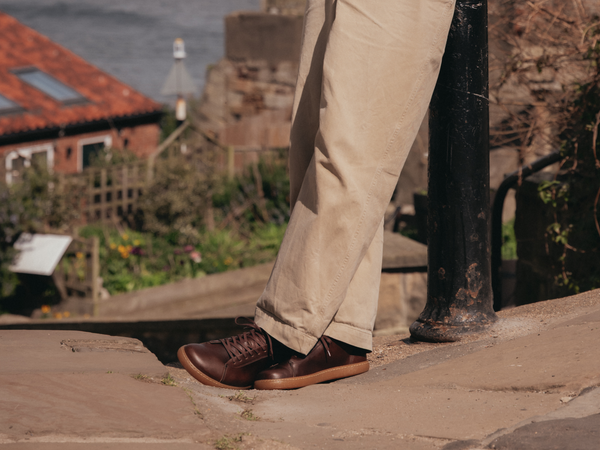
We’re not interested in recreating the past for the sake of it. But we do believe those methods still have a place today, especially when applied to something as widely worn as a sneaker. By combining traditional construction with more contemporary design, we’re able to create something that sits between categories, not a formal shoe, not a disposable trainer, but something built with the strengths of both.
Who this is for
People looking to buy less, but buy better. People who prefer materials that age naturally rather than synthetics that wear out. People who want footwear that can be repaired, not replaced. For some, that’s a sustainability decision but for others, it’s about quality, or comfort, or simply owning something that feels considered.
At first glance, footwear made this way costs more but over time, the equation changes. A pair that can be worn for years, and repaired when needed, offers a very different cost per wear than something designed to last a single season. Add to that the way the materials improve with age, and it becomes less about replacement, and more about long-term use. Value isn’t just about price, it’s about longevity.
At Goral, we’ve chosen to prioritise the things that are often overlooked, construction, materials, and the ability to keep a product in use for as long as possible because ultimately, the best footwear isn’t the pair you replace every year, it’s the pair you keep coming back to.


CARE & ACCESSORIES