The Lost Art of Keeping Things
Written by Callum McAnulty - GORAL Ecommerce Executive
Something I’ve become more and more conscious of in the last few years is the act of balancing my love for clothes and shoes with my love for the outdoors. They’re two worlds that collide often, but not always harmoniously…
The gear that’s pretty much essential for safety and comfort on a mountain is made with chemicals that aren’t great for the planet. Waterproof membranes, synthetic insulation, and performance foams all exist for good reason, but they come with trade-offs. At the same time, the shoes we once bought with the intention to care for and repair have largely been replaced with footwear designed to be worn and discarded quickly. And that’s my biggest gripe with the shoe industry.
It’s not the act of making trainers, boots, loafers, or dress shoes. Footwear itself isn’t the problem. The problem is the growing lack of care for quality, durability, repairability, and the normalisation of disposability.
Which leads me to a simple but uncomfortable question: How can we have a smaller footprint with our footwear?
Step 1: Buy less shoes
This might sound like a wild thing to hear from someone who works in marketing at a shoe company, but hear me out. The issue isn’t that people own shoes. The issue is how often they need to replace them.
Modern footwear is frequently designed around cost efficiency and speed to market. Materials are chosen for price rather than longevity. Construction methods prioritise fast assembly over long-term repair. Glue replaces stitching. Foam replaces structure. The result is shoes that feel great for six months but are pretty much impossible to repair once they break down.
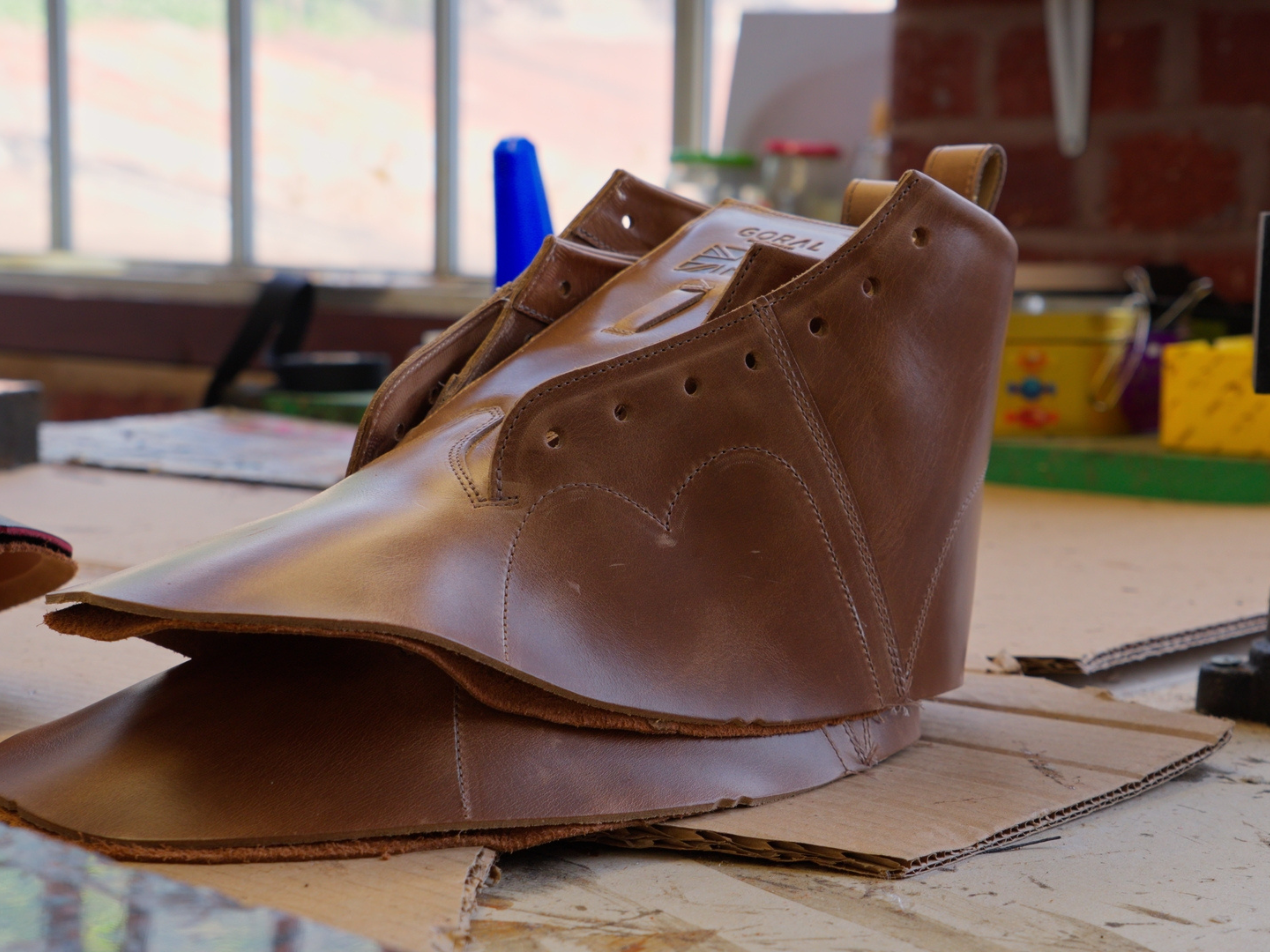
Historically, footwear worked differently. Shoes were made by hand, often in small batches or even to order. Many of today’s classic silhouettes exist precisely because they evolved over generations and were refined by makers responding directly to their customers.
Most importantly, though, shoes were built with a second life in mind.
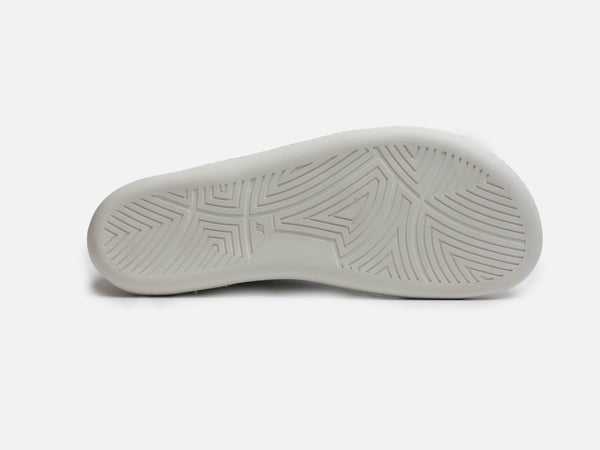
Soles could be replaced. Stitching could be repaired. Leather aged instead of deteriorated.
So when I say buy fewer shoes, what I really mean is:
Buy better shoes, less often.
Instead of replacing an £80 pair every year or two, invest in one well-made pair that can be maintained, repaired, and resoled when needed. Over time, this usually costs less financially and significantly less environmentally.
Step 2: Stick with the classics
The world moves fast. Fashion and footwear move faster.
Micro-trends appear and disappear within months, driven by algorithms instead of culture. Buying trend-led footwear almost guarantees short ownership cycles, because the appeal fades as quickly as the trend itself.
But choosing classics doesn’t mean rejecting style or individuality. It means choosing designs that you know you’ll love for years and years.
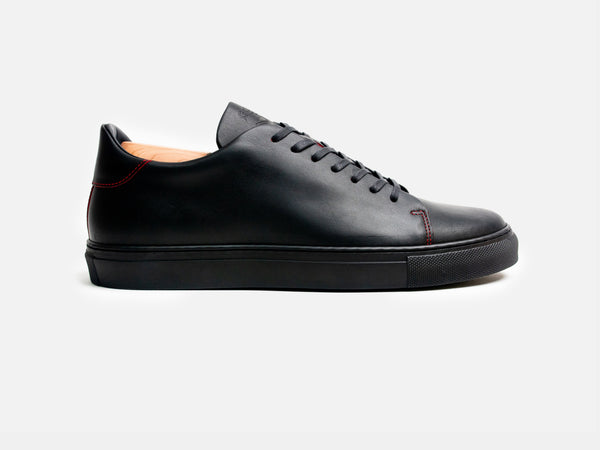
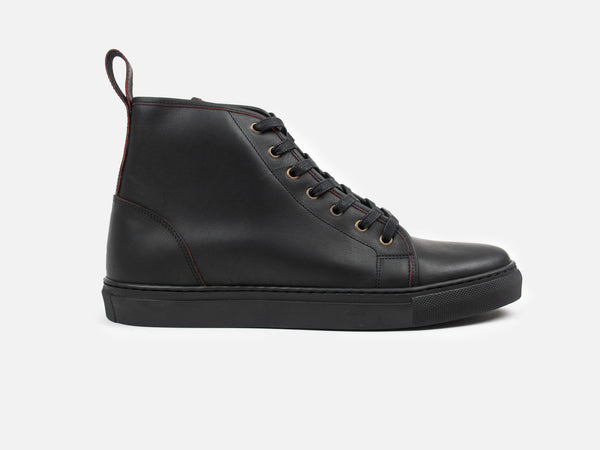
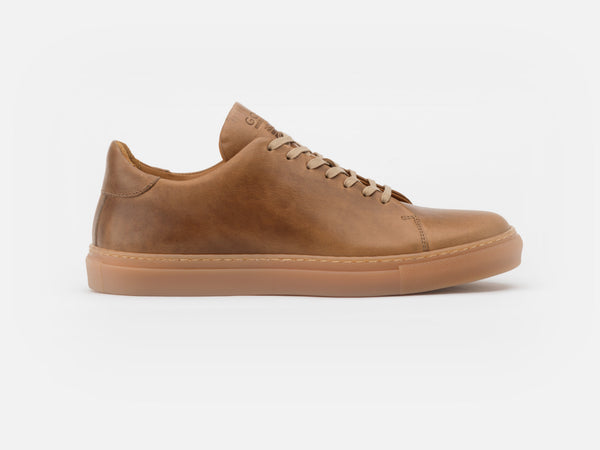
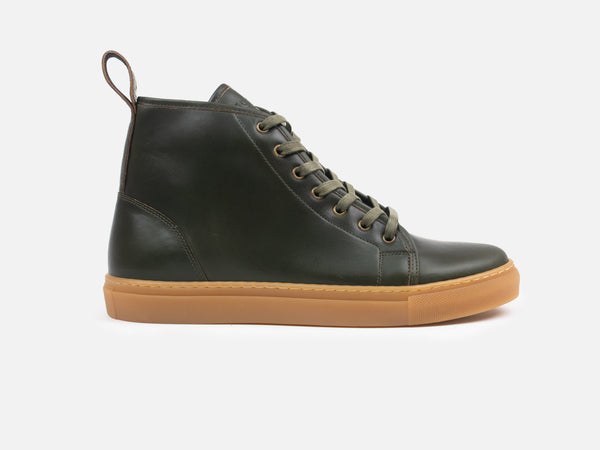
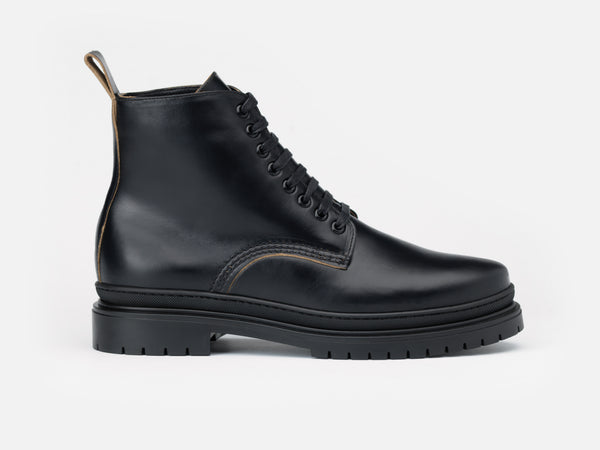
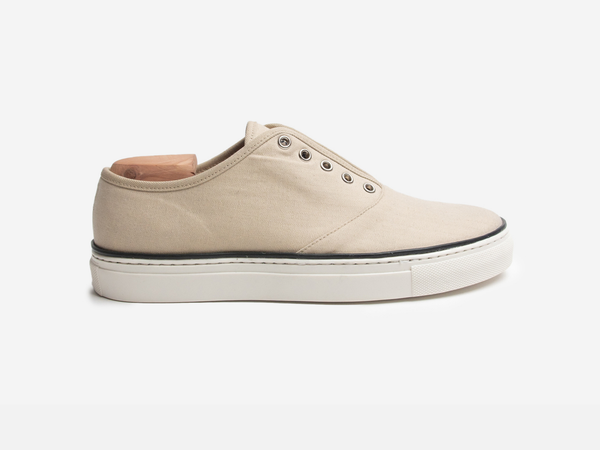
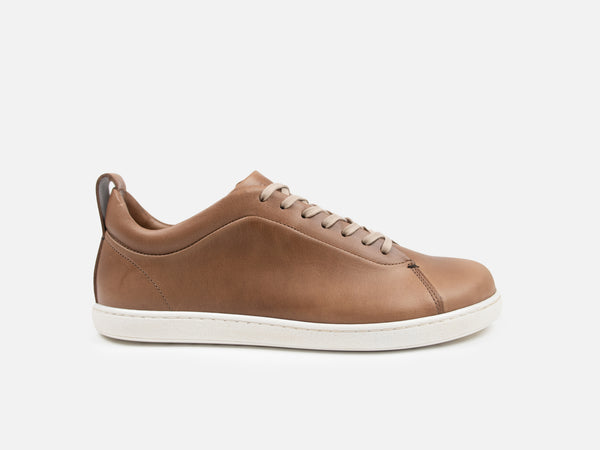
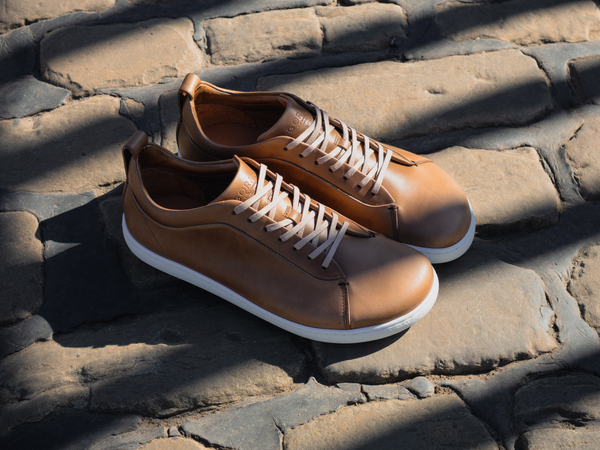
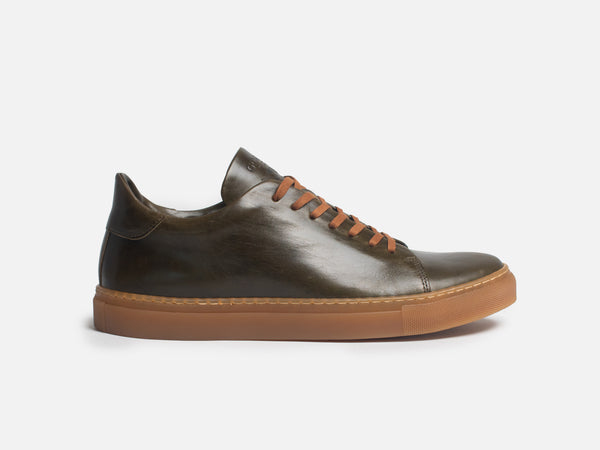
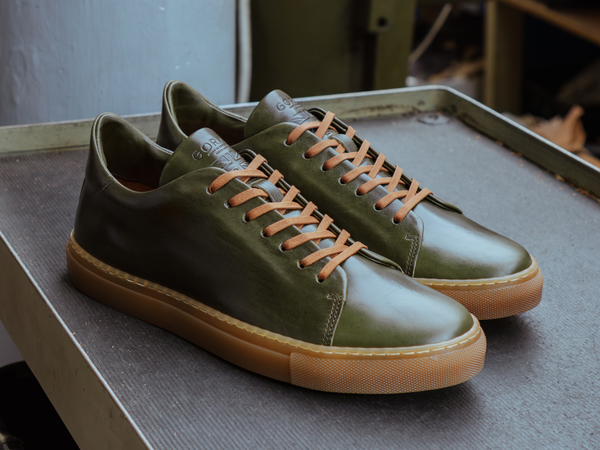
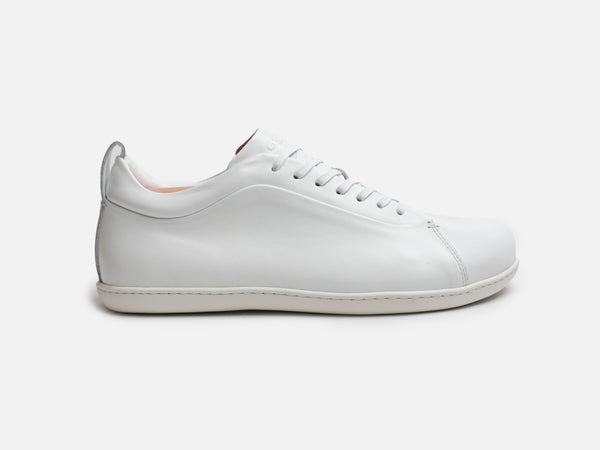
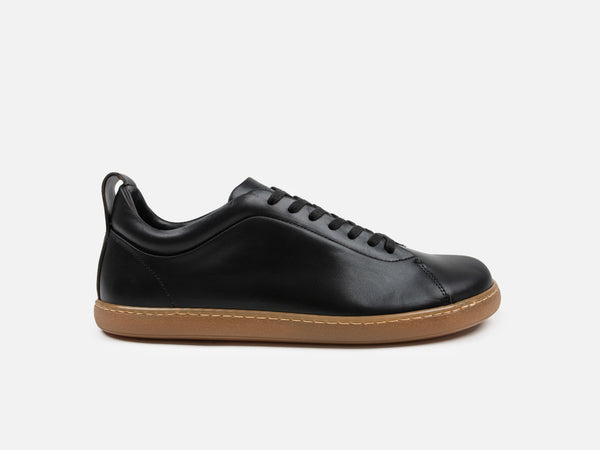
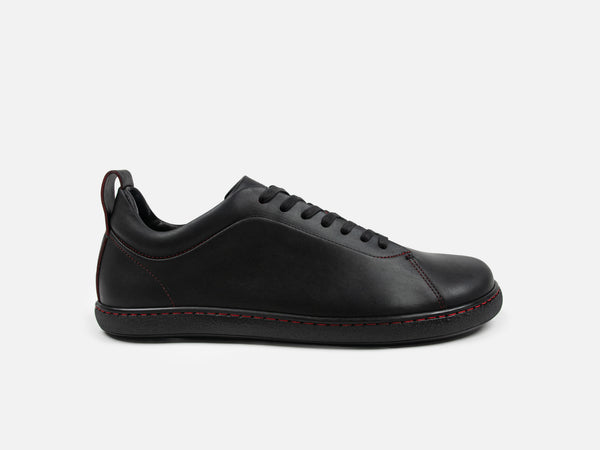
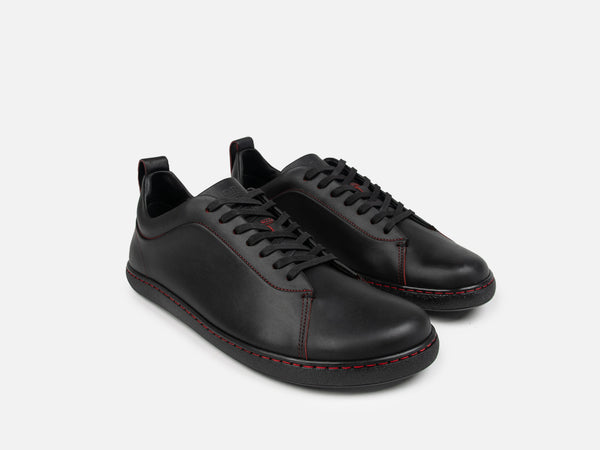
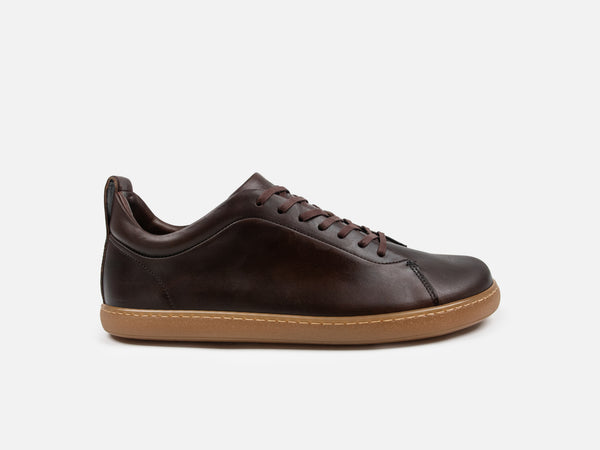
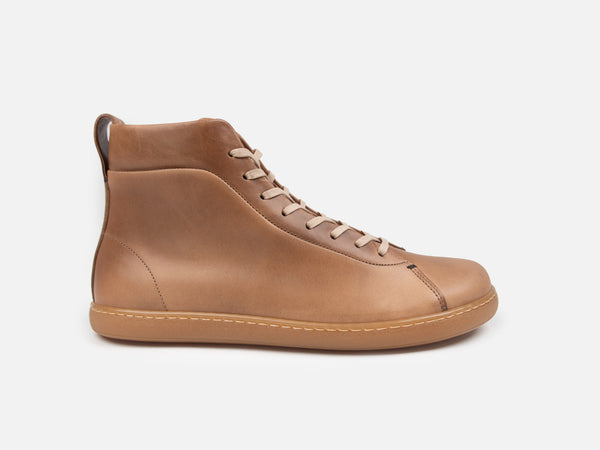
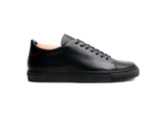
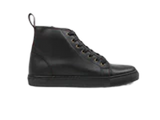
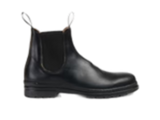
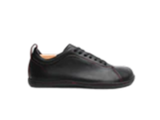
A simple leather sneaker. A derby shoe. A well made boot. These shapes have survived decades because they adapt to changing wardrobes instead of belonging to a single moment in time.
If you genuinely connect with a trend, that’s different. Personal taste should always come first. A question worth asking (and one I always ask myself) is:
Will I still want to wear this in five years?
If yes, it’s probably not just a trend to you, it’s part of your personal style.
And personal style is far more sustainable than endlessly consuming trends.
Step 3: Understand materials (not just labels)
“Sustainable” has become one of the most overused words in fashion. Often reduced to marketing rather than meaningful information.
The unfortunate reality is that every material comes with trade-offs.
Synthetic materials can be lightweight and durable but rely on fossil fuels and shed microplastics. Natural materials require land, water, and responsible sourcing. Even recycled materials require energy to process.
There’s no perfect option.
So what I think matters more is longevity.
A material that lasts ten years is almost always more sustainable than one marketed as eco-friendly but replaced annually.
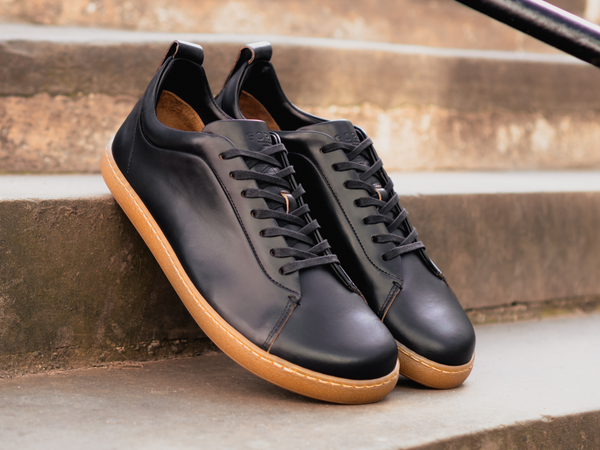
This is where natural leather gets misunderstood. When sourced responsibly and used well, it can last decades, develop character over time, and be repairable. So the lifecycle of your shoes is much longer than one using synthetic leathers, or other less durable materials. I’m no rocket scientist, but it’s clear that a durable pair of shoes that will last you years before needing repair is better for the planet than a shoe you’ll throw away in 6 months time.
Step 4: Care for what you own
A lot of us have forgotten the art of maintenance that once extended the life of footwear. It’s something I’ve been guilty of myself, but I’ve found that looking after my shoes doesn’t actually need to take much effort.
These are some simple practices you can implement to extend the lifespan of your shoes:
- Regular cleaning
- Conditioning leather to prevent cracking
- Proper storing (dust bags, shoe trees, avoid damp and extreme temperatures)
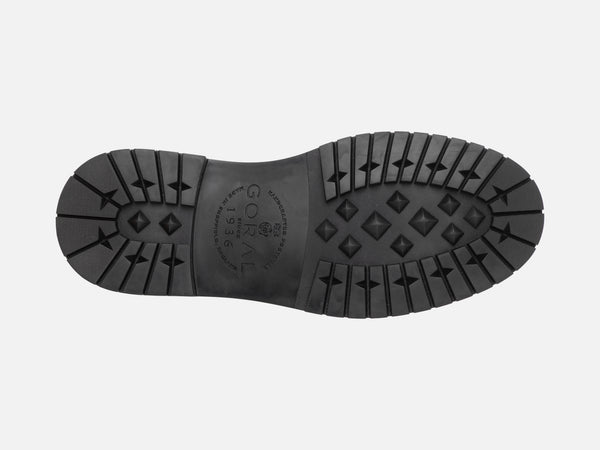
- Replacing soles before structural damage occurs
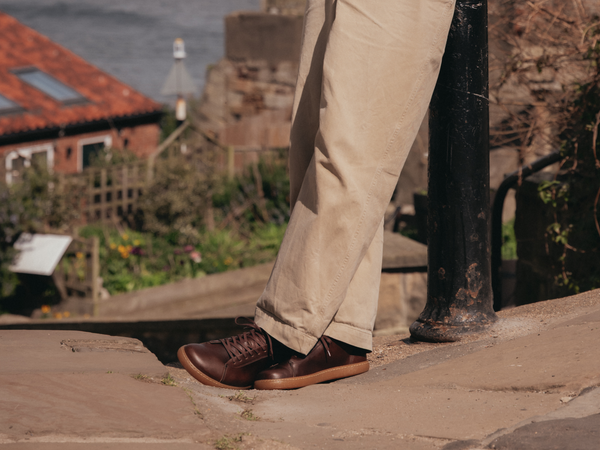
The interesting thing about really looking after a pair of shoes is the connection you get with them. They become more than just a foot covering. They become part of you. An extension of yourself that tells your story through the way they age, patina and crease.
Step 5: Rethink what sustainability actually means
Sustainability in fashion is often framed as a technical problem waiting for a breakthrough material or futuristic solution.
But a large part of the answer is actually behavioural.
- Buying intentionally
- Valuing durability
- Repairing instead of replacing
The funny thing is, these ideas aren’t new at all. They’re closer to how previous generations approached footwear before mass production made replacement cheaper than repair.
Final thoughts
For most of human history, the things we owned were expected to last. Clothes were repaired, shoes were resoled, and wear wasn’t seen as failure but as evidence of a life lived in them. Somewhere along the way, convenience replaced care, and replacement became easier than maintenance.
But it doesn't mean that every company is becoming a fast fashion brand, there are still loads of independent, made in the UK shoemakers, clothing companies and designers making things intentionally, slowly, and always to last. I’m proud to be a part of one of those companies, Goral.