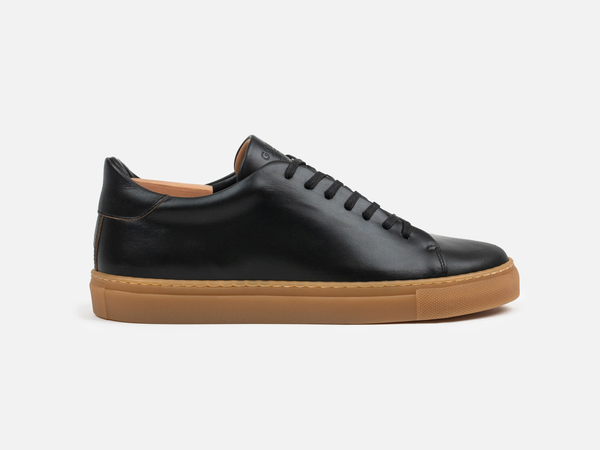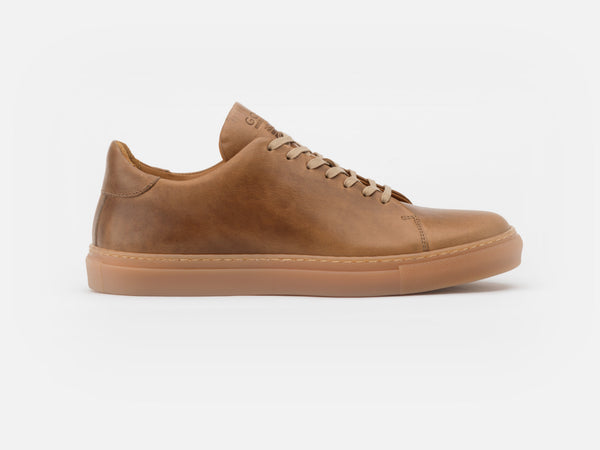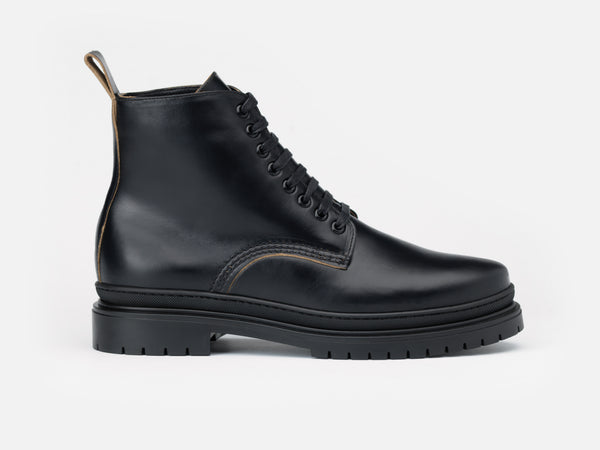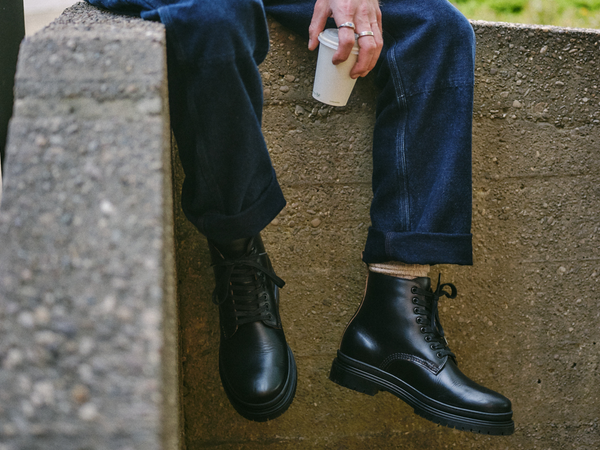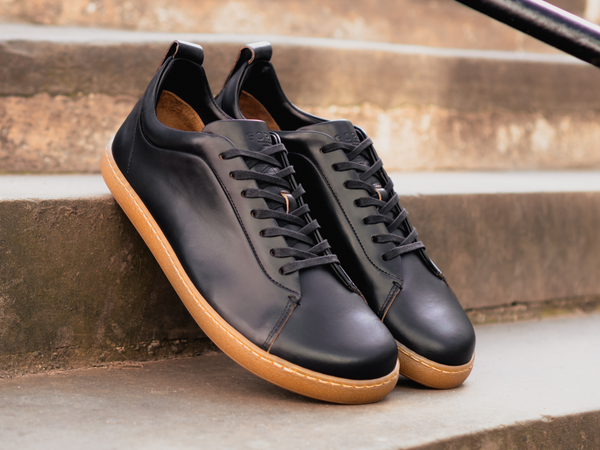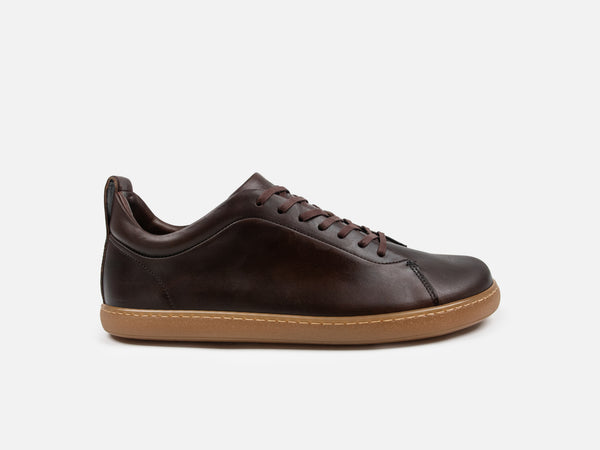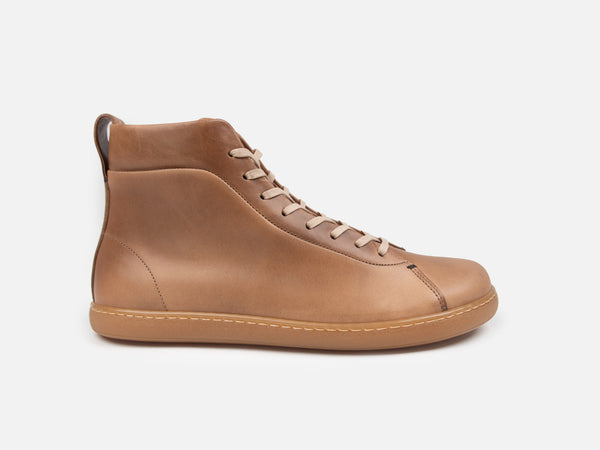
New YouTube Episode Drop! The GAT sneaker!
In the 1970s, something interesting began happening in fashion. Designers started looking beyond traditional fashion houses for inspiration. Instead, they turned to something far more practical: military clothing. What had once been designed purely for function began to influence everyday style. Over time, this approach shaped entire brands. Labels like Stone Island and C.P. Company built much of their identity around military-inspired design. Field jackets, cargo trousers, and technical fabrics became staples of modern menswear. But one designer would take this idea even further, before becoming one of fashion’s most influential designers, Martin Margiela was relatively unknown. At the time, he was still trying to establish himself in the industry and make an impact on the runway.
The inspiration that helped define one of his most iconic designs didn’t come from a fashion archive or luxury atelier. It came from a military surplus store. Militaries around the world constantly update their equipment. Every few years, uniforms and gear are replaced with newer versions. When that happens, the old equipment doesn’t disappear. Instead, it often ends up in surplus stores, the kind of shops you’ve probably seen before. They’re usually small, sometimes a little rough around the edges, often with camouflage netting hanging outside. Inside, you’ll find shelves filled with old field jackets, combat trousers, boots, and equipment that once served a very practical purpose. For designers, these places can be an unexpected source of inspiration.
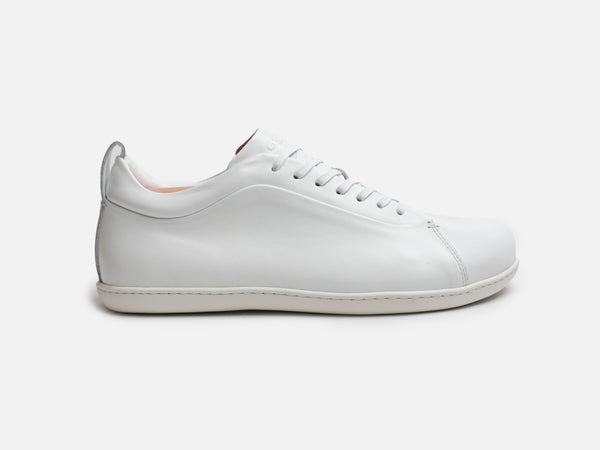
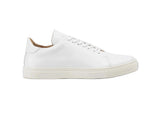
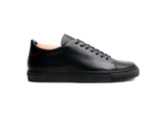
While exploring surplus stores, Margiela came across a simple training shoe used by the West German Army. Today it’s widely known as the German Army Trainer, or GAT. The design was understated: clean lines, a minimal silhouette, and a practical mix of leather and suede. There was nothing flashy about it. It was simply designed to perform. But something about it stood out. Margiela eventually introduced the silhouette on the runway, not as a complete redesign, but almost exactly as it was originally made. A piece of military equipment had suddenly entered the world of high fashion and people noticed. Over time, the German Army Trainer became one of those rare designs that quietly influenced the entire industry. Designers across the world began referencing the silhouette. Brands reinterpreted it in different materials and colours, yet the core design remained remarkably close to the original military version. Decades later, the influence of the GAT is still visible in modern footwear. It’s a perfect example of how the best designs often start with a simple goal: functionality.
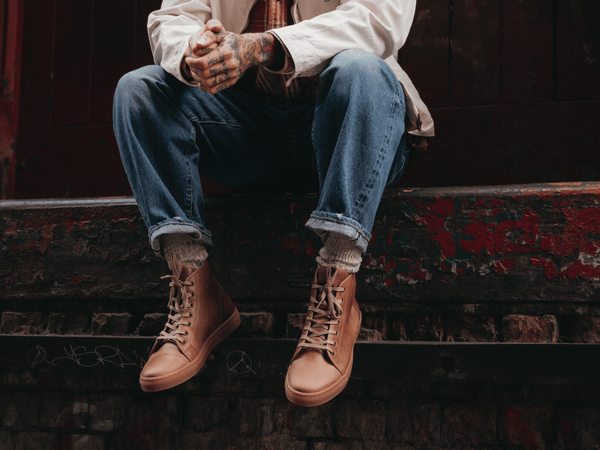
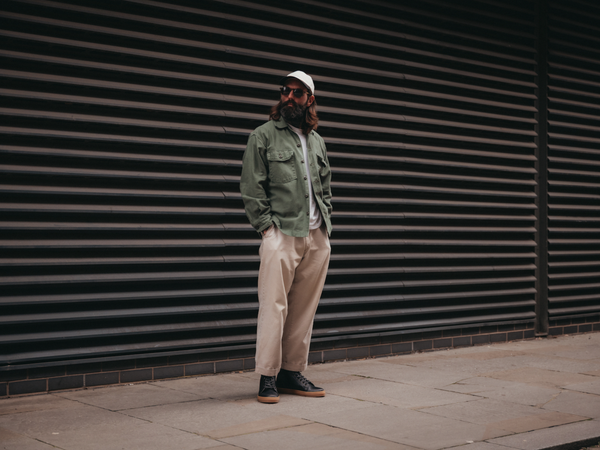
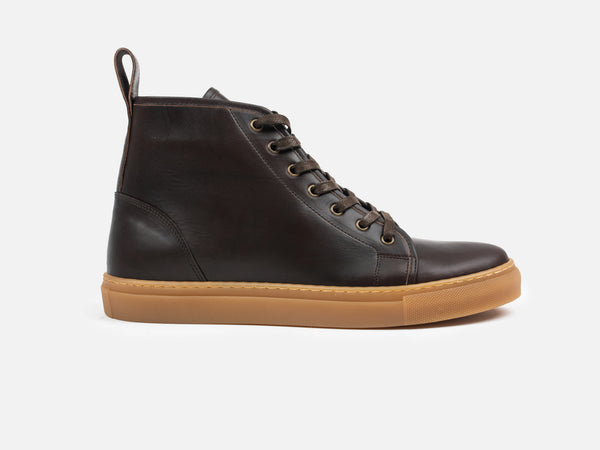
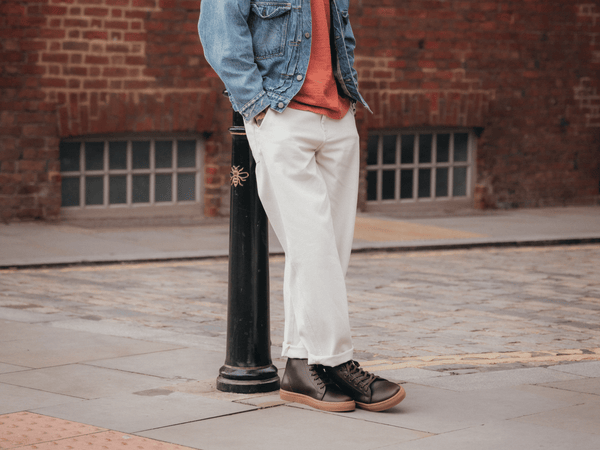
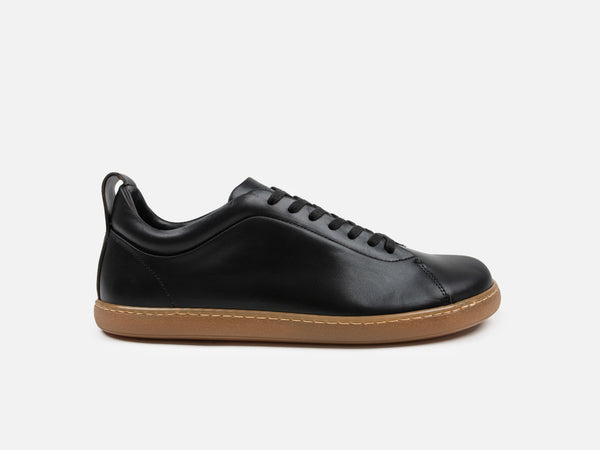
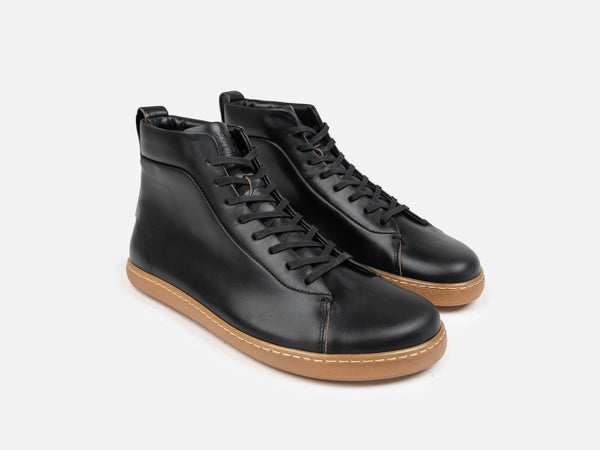
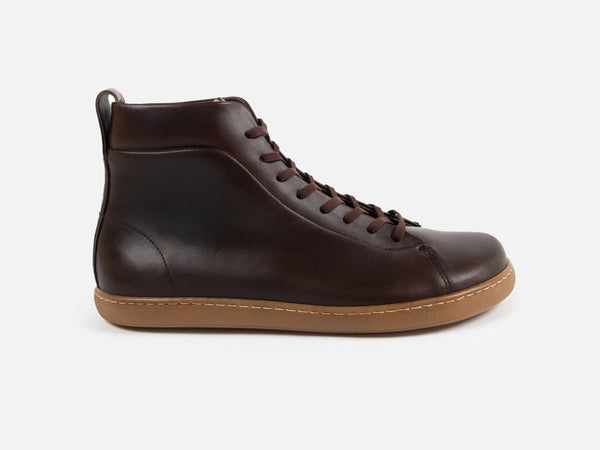
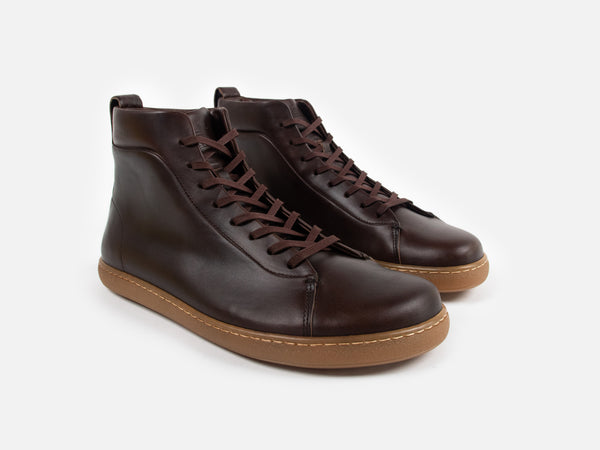
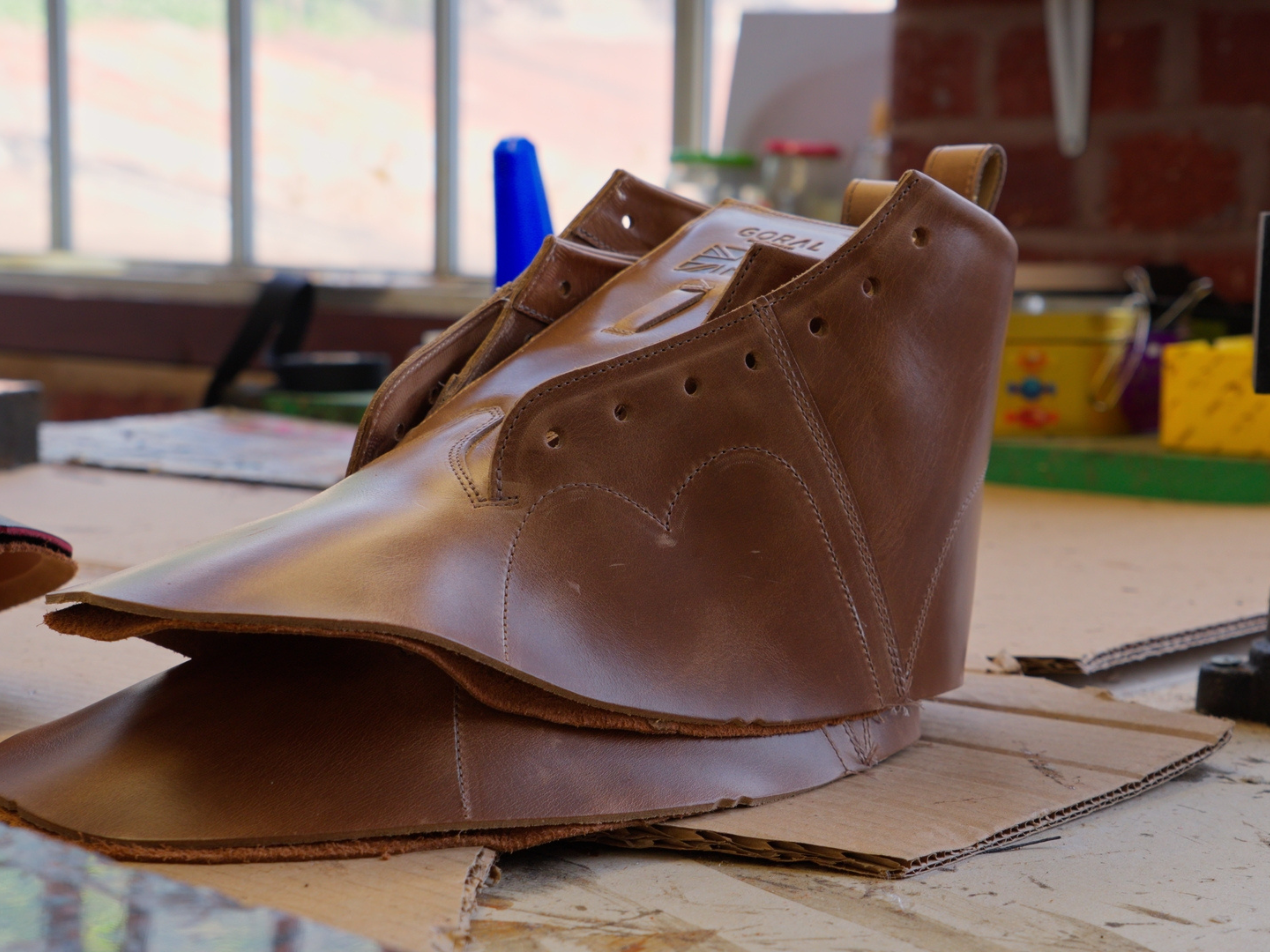
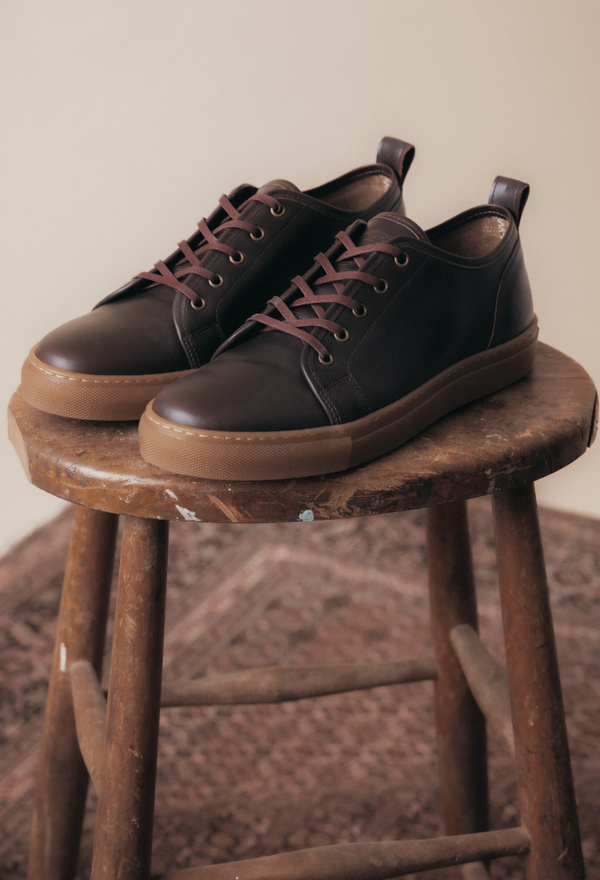
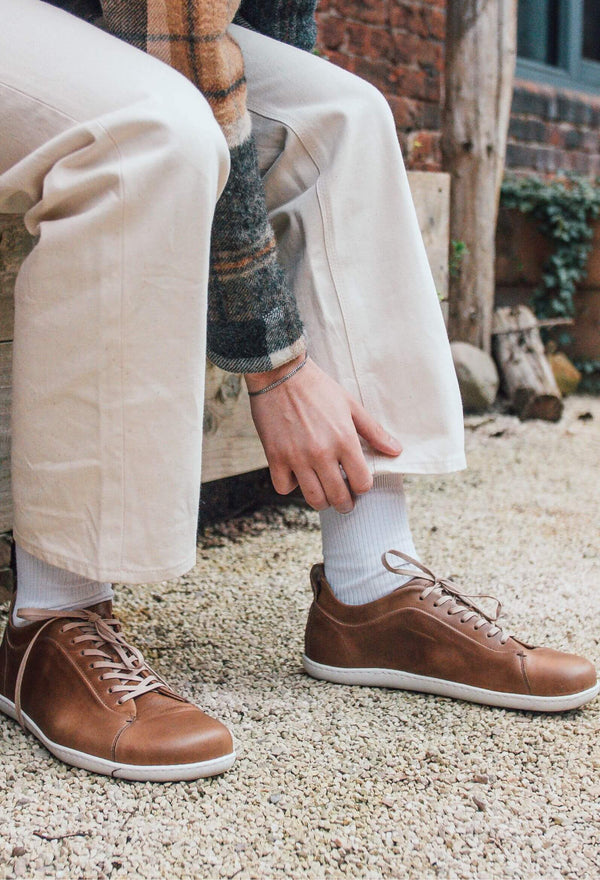
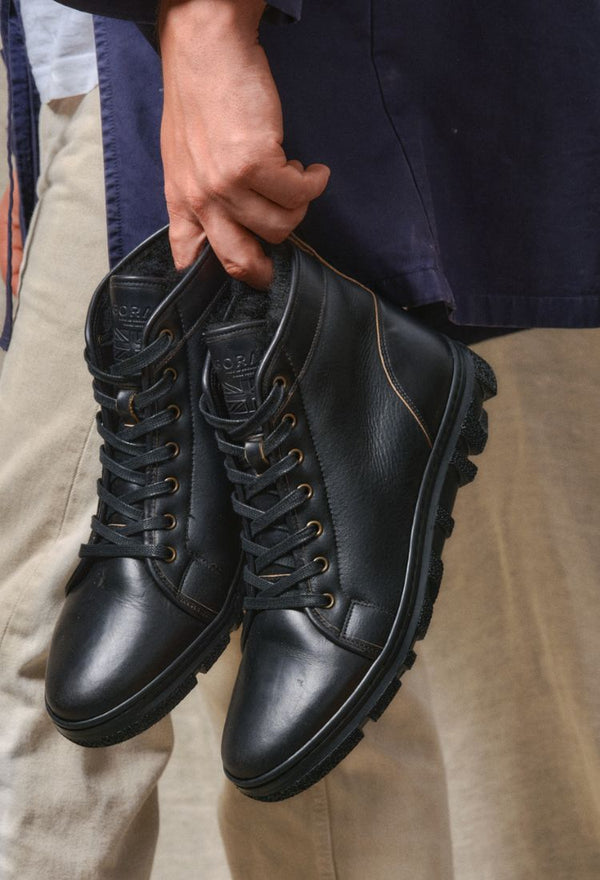
We continue to build on that legacy by producing our own interpretation of the German Army Trainer using the materials and craftsmanship we’re known for. One of the defining details of the design is the suede used across the toe and panels. For this, we source suede from Opera Tannery in Italy, a tannery known for producing exceptionally soft and durable leather. The suede adds texture and depth to the design while maintaining the durability needed for everyday wear.
While the upper of the shoe draws from German military design, we’ve introduced our own twist on the sole. Instead of using a traditional rubber sole, we use crepe rubber. Crepe soles have their own connection to military history. Made from natural latex tapped from rubber trees, the material is compressed into a thick, flexible sole that provides comfort and grip. During the Second World War, British soldiers stationed in North Africa often wore boots with crepe soles because they performed well in desert environments and remained comfortable during long days on foot. When soldiers returned home, the design inspired what would eventually become another iconic piece of footwear: the desert boot.
In many ways, this trainer brings together two different strands of military history. The upper references the German Army training shoe, while the crepe sole reflects the influence of British desert footwear. Two functional designs, originally created for completely different purposes, come together in a single modern trainer. It’s a reminder that some of the most enduring designs in fashion were never meant to be fashionable at all. They were simply built to work.