
The history of a low top sneaker
Sneakers are everywhere now, from sidewalks to boardrooms, from skateparks to weddings. But one silhouette in particular has quietly shaped our footwear culture more than most, the low‑top sneaker. A low‑top sneaker has a rich history that stretches back over a century, evolving from athletic utility to cultural staple, let’s take a walk through that history.
1. Early athletic shoes (late 1800s – early 1900s)
The story of low‑tops starts with the earliest rubber‑soled shoes. Before the 20th century, footwear was largely leather and construction‑focused, sport‑specific shoes didn’t really exist. In the late 1800s and early 1900s, companies began making canvas‑and‑rubber shoes for tennis and athletic activities. These were flat, simple, and lacked ankle support, essentially the earliest low‑tops. These early designs were practical as they provided better movement and grip than traditional leather shoes, but at this point, low‑tops were still very much athletic tools, not fashion statements.
2. The rise of the everyday sneaker (1920s – 1950s)
Everything changed when sneakers moved off the courts and into everyday life. In 1917, Converse released the All‑Star, the first mass‑market athletic shoe with a rubber sole. It was simple, affordable, and functional. Chuck Taylor’s endorsement in the 1920s helped the All‑Star become a staple on basketball courts. Low‑tops began appearing not just in sport, but in ads and catalogues for casual wear. They appealed to a growing culture of youth and leisure. For the first time, a rubber‑soled shoe wasn’t just for sport, it was for fashion. During this era shoes began to carry brand identity, low‑tops became symbols of youth culture and they blurred the line between sport and everyday wear.
3. Post‑War and Pop Culture (1950s – 1970s)
After World War II, sneakers became mainstream in a way they never had before. Movies, music, and television helped cement their place in everyday culture, if you think James Dean’s rebellious attitude in low‑tops, or later, the way rock ’n’ roll embraced them. Sneakers, especially low‑tops, became associated with youth expression, casual style and a break from formal dress codes. Brands like Adidas and Puma emerged with iconic low‑tops like the Gazelle and Superstar, which became staples in Europe and beyond. In the U.S., the Converse All‑Star continued its rise, while innovators like Keds pushed low‑tops further into daily wardrobes.
4. The streetwear revolution (1980s – 2000s)
By the 1980s and 90s, sneakers were no longer just shoes, they were cultural currency. Low‑tops took on new meanings for example in hip‑hop culture, they were part of a uniform, in skate culture they became tools for movement and comfort and in punk and alternative scenes, they were symbols of anti‑establishment style. Iconic low‑tops from this period include, Adidas Stan Smith, Nike Cortez, Vans Authentic and Puma Suede. Each carried subcultural weight, and low‑tops became linked with identity, creativity, and cultural movements.
5. The designer & lifestyle era (2000s – 2010s)
As fashion and streetwear converged in the 2000s, low‑tops rose in status. Designers began interpreting the classic silhouettes. Leather replaced canvas, minimalism became a trend and sneakers moved from casualwear into designer wardrobes and high fashion. The idea of a “clean” sneaker, something simple, versatile, and timeless, became desirable. This era planted seeds for the current trend toward understated, everyday sneakers.
6. Today’s low top sneakers (2020s – 2026)
Now, low‑top sneakers are everywhere. The reason they endure because they adapt to fit daily routines, casual workplaces, travel and for everyday comfort. They aren’t tied to performance stereotypes or seasonal trends and the current cultural moment, where people value practicality, longevity, and understated design, has brought low‑tops back into focus.
The legacy of a low top sneaker
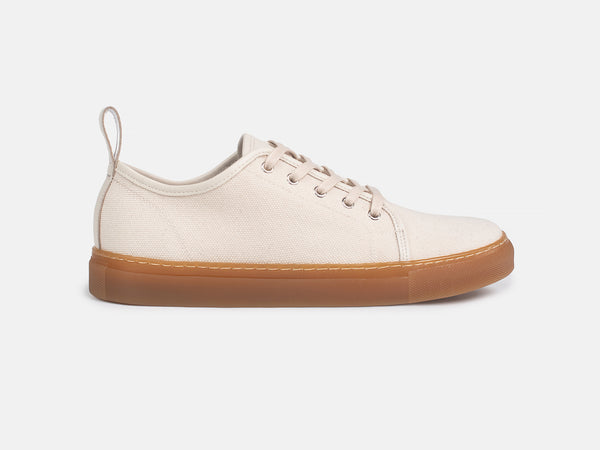
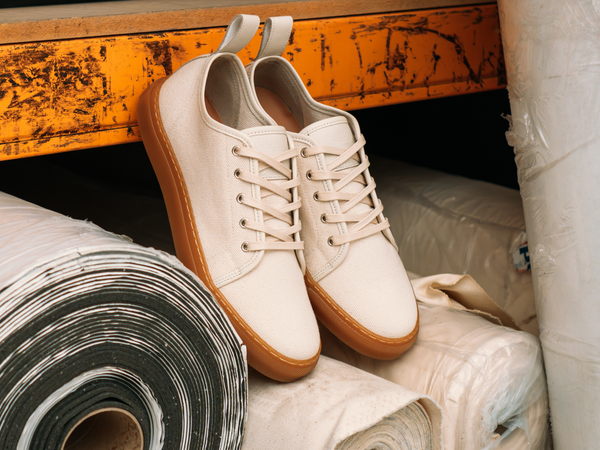
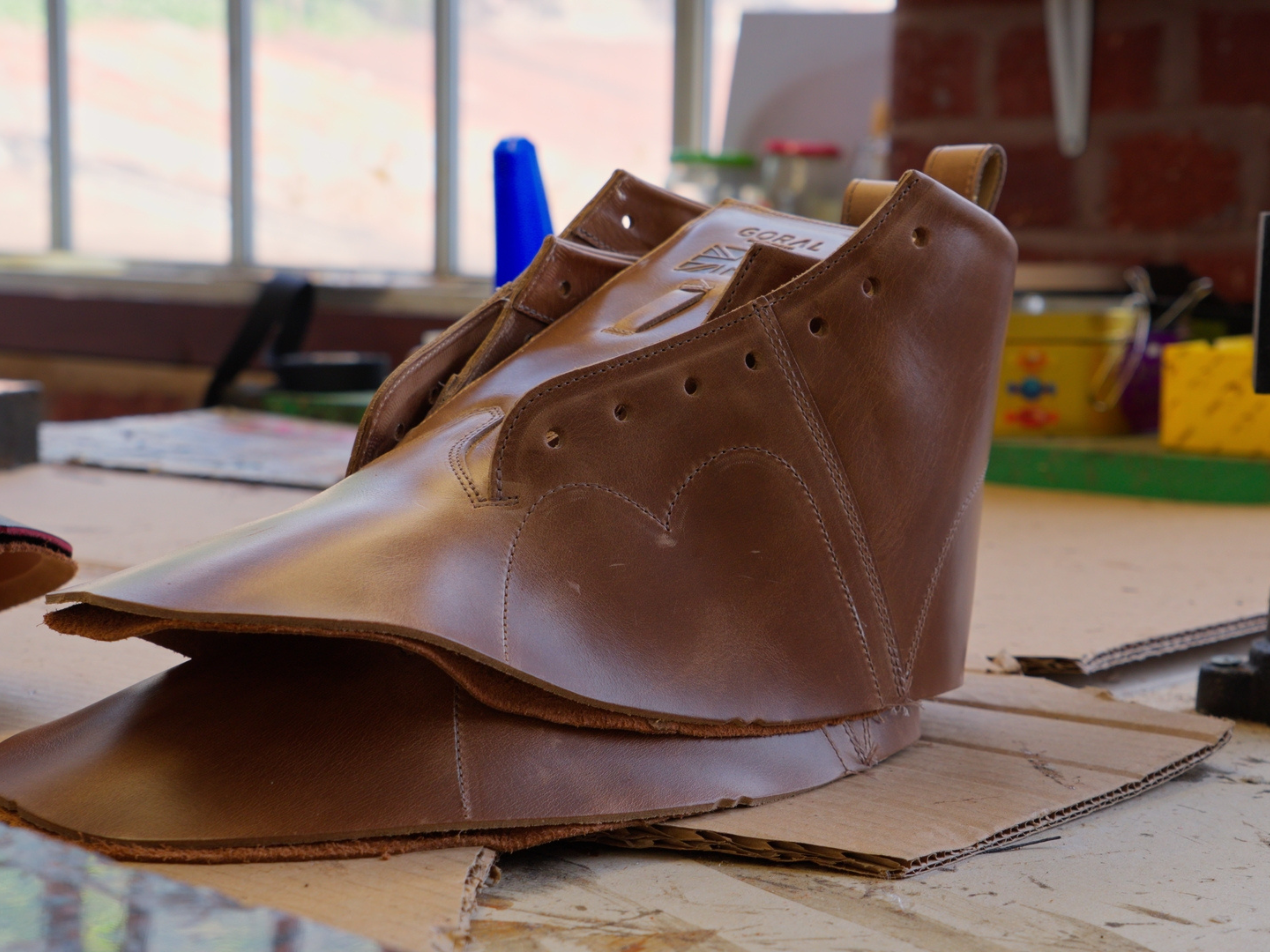
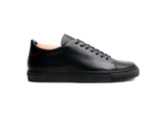
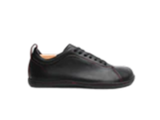
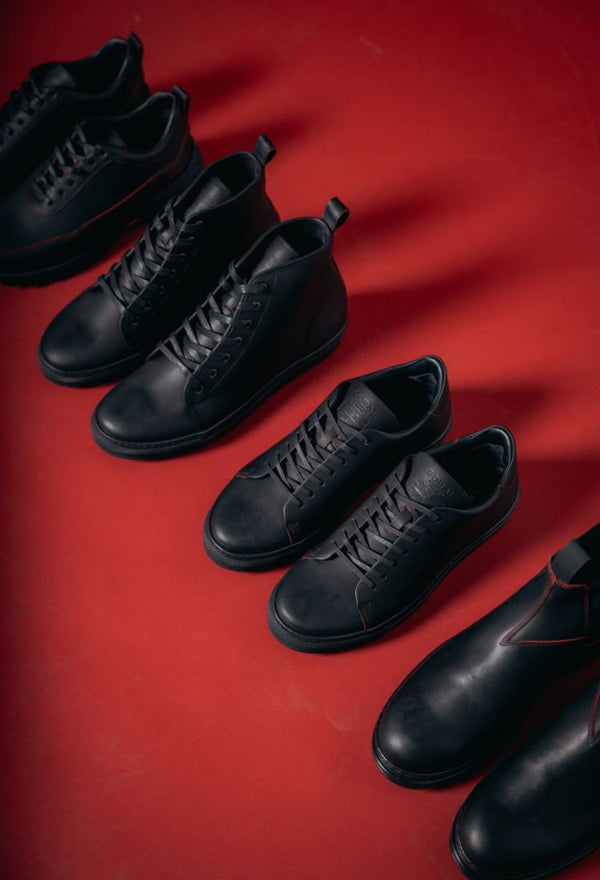
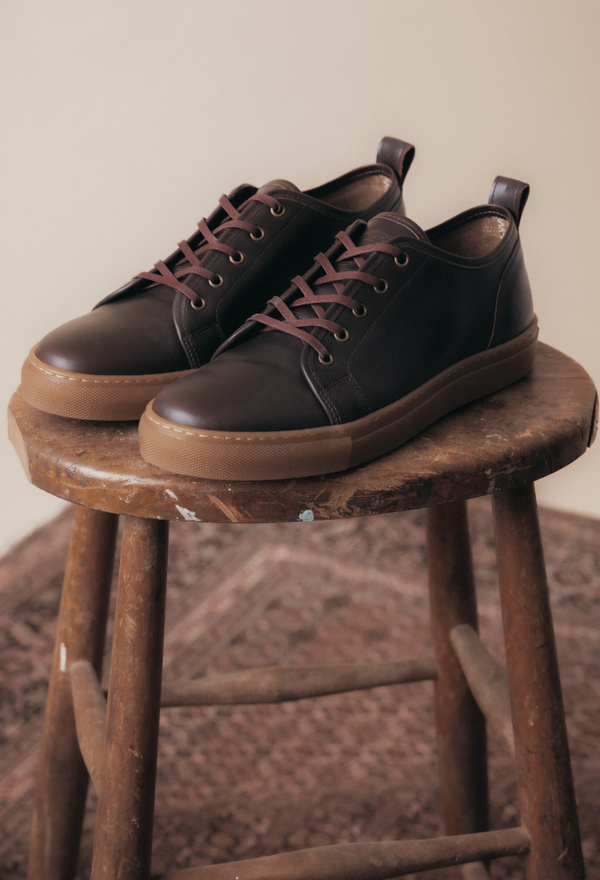
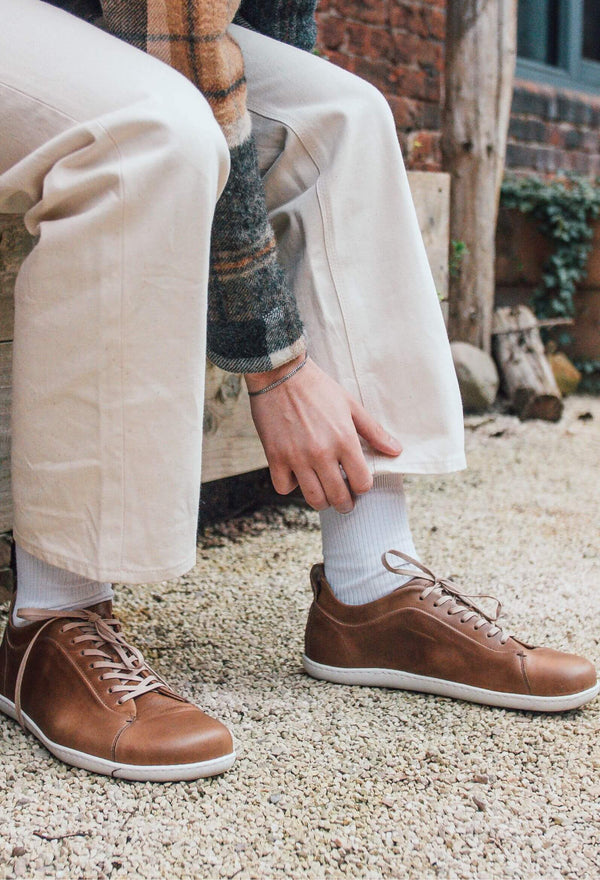
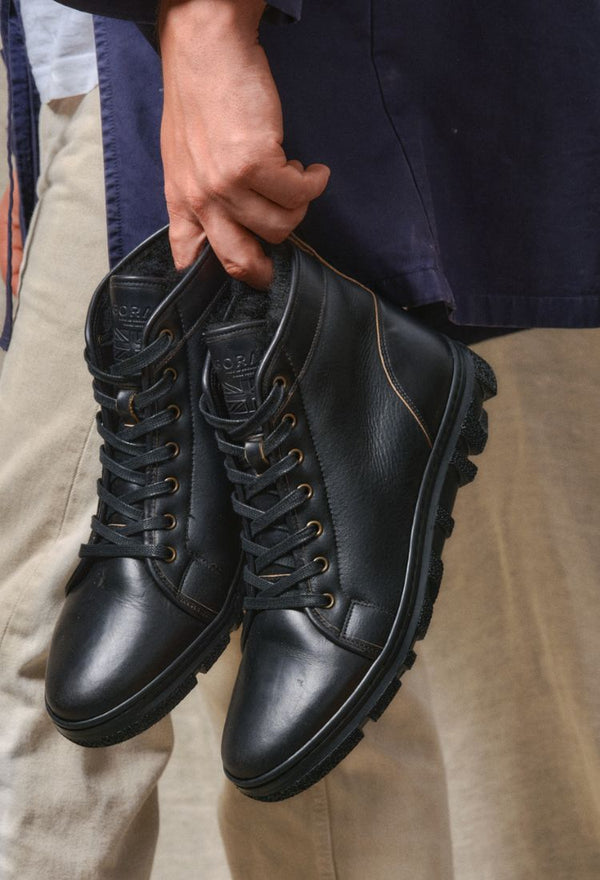
From athletic beginnings to cultural staple, the low‑top sneaker has always been about versatility and everyday wear. Though today we see a gap in the market as most sneakers aren’t built to last, and very few are resoleable. That’s where the low top SMUGS come in. We’ve taken the classic low‑top silhouette and combined it with boot-quality construction and premium leathers like Horween Chromexcel and Blood Core. They’re built to be worn hard, soften beautifully, develop a unique patina, and when the sole eventually wears down they can be resoled so you can keep going for years.